
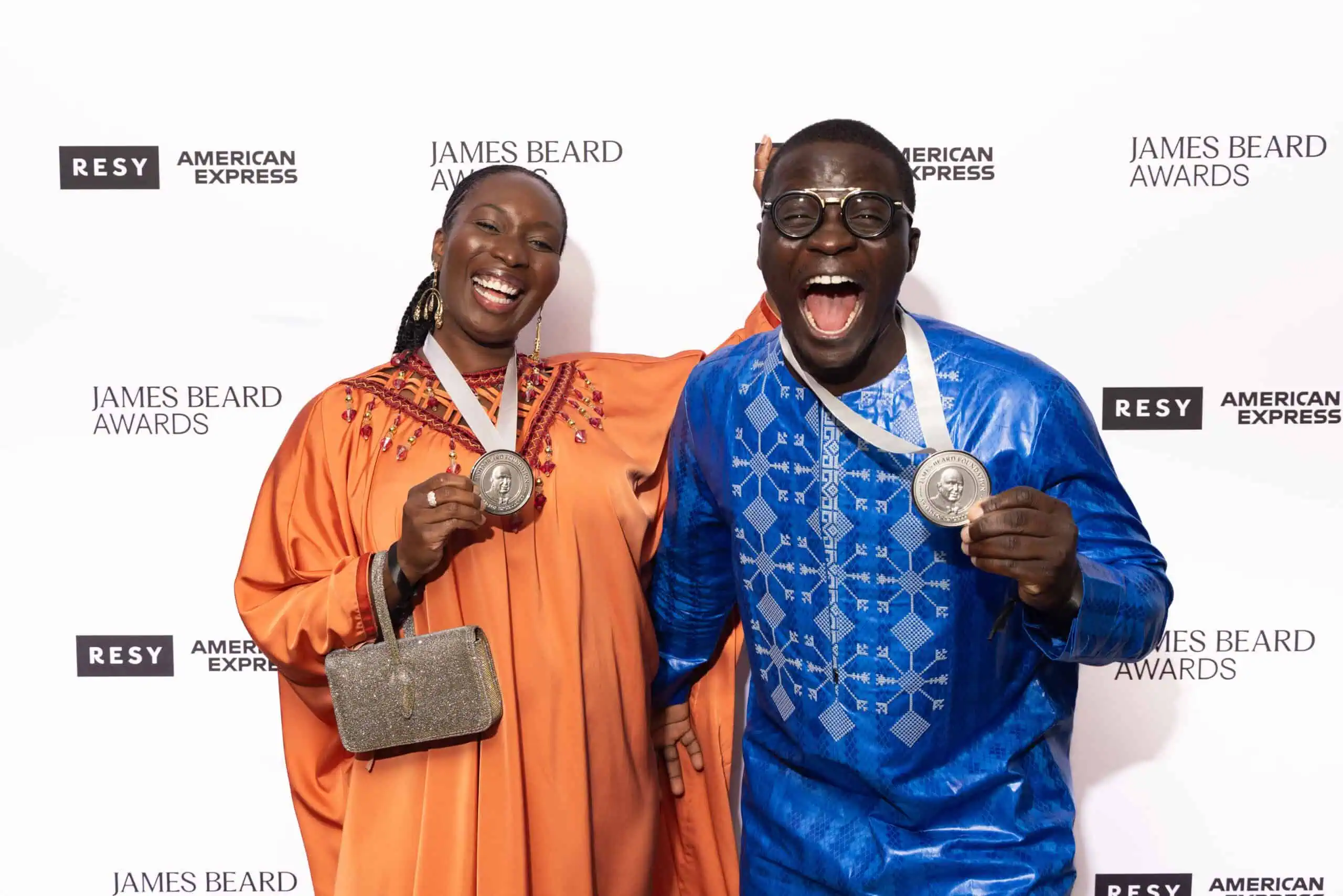
Every year, the James Beard Awards offer a roadmap to the most exciting dining destinations in the U.S. Often referred to as the “Oscars of the food world,” the awards recognize the chefs, restaurateurs, bakers, beverage experts, and hospitality professionals shaping the future of American dining.
The 2026 cast of winners transports food lovers from the rocky coast of Maine to the vibrant streets of Philadelphia, the culinary capitals of California, and the emerging food scenes of Montana, Missouri, and beyond. For travelers planning their next great food adventure, these destinations are worth booking a flight simply to experience what’s on the menu.
Chicago, Illinois
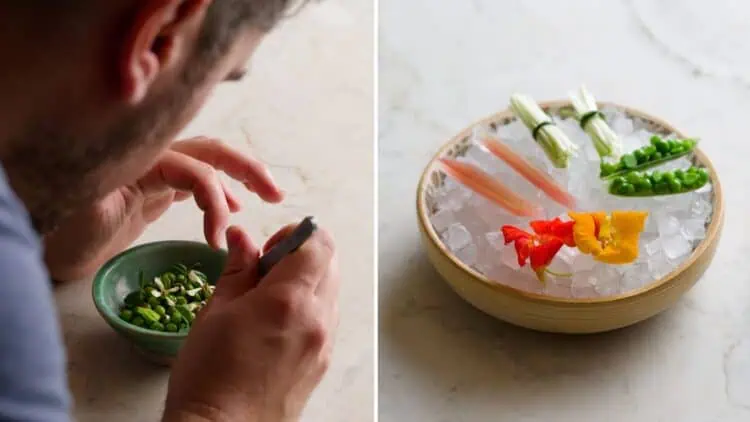
As host city of the James Beard Awards, Chicago has one of the most dynamic and diverse dining scenes in the country. While iconic dishes like deep-dish pizza and Chicago-style hot dogs often steal the spotlight, the city is full of innovative chefs and boundary-pushing restaurants. One of the latest examples is Feld in Ukrainian Village, where Chef Jacob Potashnick earned the 2026 James Beard Award for Best Chef: Great Lakes. Rather than focusing on a specific cuisine, Potashnick builds an ever-changing tasting menu around the best seasonal ingredients available from Midwest farmers. The experience is highly interactive, with dishes prepared and plated directly in front of guests. The nightly menu typically features 25 to 30 courses, ranging from delicate one-bite creations to more substantial seafood and vegetable-focused dishes.
Philadelphia, Pennsylvania
Philadelphia restaurateur and chef Nok Suntaranon earned her second James Beard honor for Kalaya, which received the award for Outstanding Restaurant. The recognition builds on Suntaranon’s 2023 win for Best Chef: Mid-Atlantic. Named after Suntaranon’s mother, Kalaya draws on family recipes and her Southern Thai heritage, expressed through bold takes on traditional Thai dumplings, curries and stir-fries. The city’s second 2026 award went to Jesse Ito, who was named Best Chef: Mid-Atlantic for his work at Royal Sushi & Izakaya. Widely considered one of the nation’s top Japanese dining destinations, the restaurant offers an omakase experience centered on seasonal seafood flown in from Japan.
Portland, Oregon
Portland, Oregon, continued its impressive winning streak—the city has had at least one winner each year between 2022 and 2025—with two James Beard Award victories in 2026. Scotch Lodge, winner of the Outstanding Bar award, has built a reputation around an impressive collection of whiskies from around the world. The bar’s creative cocktail program is equally noteworthy, featuring drinks such as the Reserve Penicillin, made with Laphroaig quarter cast smoky single-malt Scotch whisky. Ryan Roadhouse was honored as Best Chef: Northwest and Pacific for the inventive cuisine served at Nodoguro. His tasting menus combine Japanese influences with the seasonal ingredients from the Pacific Northwest. Menu items have included dishes such as oyster gazpacho and spot prawn somen.
New Orleans, Louisiana
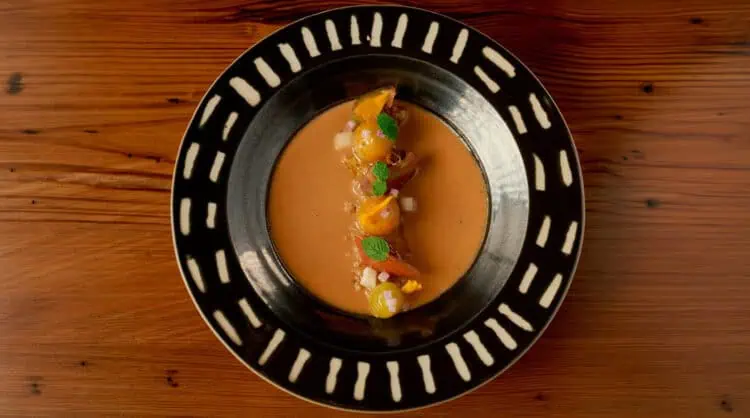
At Dakar NOLA, Chef Serigne Mbaye draws on his Senegalese heritage and his experiences in New Orleans to create a restaurant unlike any other in the country. His talents have earned him the 2026 James Beard Award for Best Chef: South. The menu at Dakar NOLA highlights the historical connections between West Africa and Louisiana through a seasonal seven-course pescatarian tasting experience, featuring dishes ranging from jollof rice to beignets made with millet. Mbaye has become a leading voice for representation in the culinary industry. Reflecting on the win, he shares, “I hope to inspire the next generation of chefs to be proud of the food they grew up eating in their mothers’ and grandmothers’ kitchens.”
New York, New York
New York City once again demonstrated why it remains one of the dining capitals of the world, characterized by constant reinvention, an ever-changing food culture and intense competition among chefs and restaurateurs. The city’s multiple James Beard Award winners include Lei, which won for Best New Restaurant. Located in Chinatown, the cozy 28-seat wine bar offers an extensive wine program featuring international and Chinese labels and modern interpretations of regional Chinese fare.
The city’s hospitality scene was also recognized through Lee Campbell of Mediterranean trattoria Borgo, who won Outstanding Professional in Beverage Service. In Queens, Hooni Kim was awarded Best Chef: New York State for his work at Meju, a Korean fermentation restaurant in Long Island City that serves a tasting menu of Korean classics and beverages such as sikhye, a non-alcoholic Korean rice punch made from malted barley and cooked rice.
Washington, D.C.
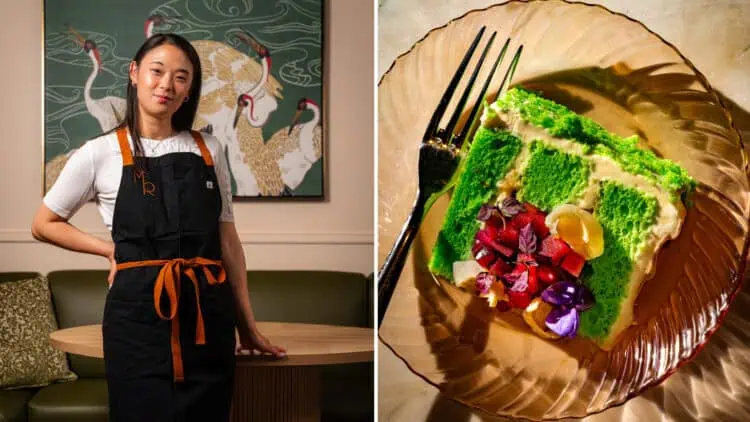
Washington, D.C., may be best known as the center of American politics, but the city is no longer merely a destination for power lunches and steakhouses. Among the chefs at the forefront of D.C.’s dining evolution is Susan Bae, recipient of this year’s James Beard Award for Outstanding Pastry Chef or Baker. Through her work at Moon Rabbit, Bae creates imaginative desserts that combine unexpected ingredients, sweet and savory flavors, technical precision and deeply personal storytelling. As she explains, “Many of my desserts are rooted in very deep memories…memories that I’m still searching for.”
Los Angeles, California
Two Los Angeles restaurants secured James Beard Awards, including Providence, which was recognized for Outstanding Hospitality. The acclaimed Hollywood seafood restaurant has long attracted diners for its cuisine, but this award shines a spotlight on the guest experience that accompanies every meal. From the moment guests arrive, they are met with warm hospitality and attention to detail, like tableside cocktail preparation and personalized cheese cart service.
Located in Downtown Los Angeles, Kato earned the James Beard Award for Outstanding Wine and Other Beverages Program, underscoring the growing sophistication of Southern California’s beverage scene. Renowned for its modern Taiwanese-inspired tasting menus, the restaurant approaches beverages with the same level of care and precision as its cuisine. Guests can expect expertly curated wine pairings, rare selections, and creative non-alcoholic options designed to complement and elevate each course.
San Francisco, California
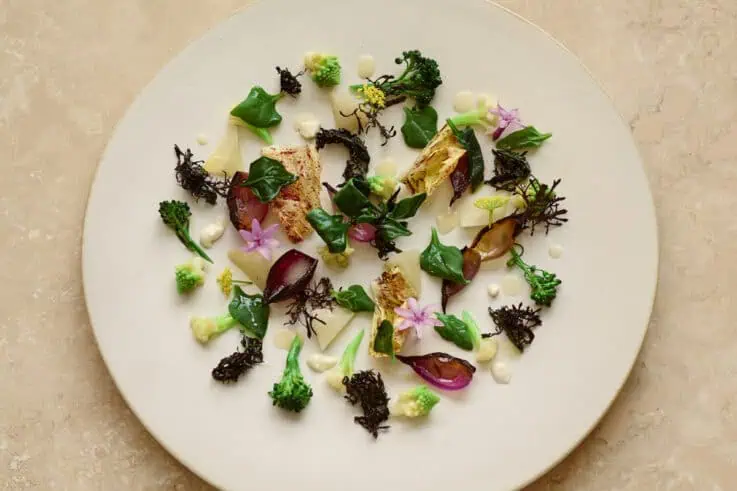
“The City by the Bay” emerged as one of the biggest winners at this year’s James Beard Awards. Among the city’s honorees was Michael Tusk, who earned the Outstanding Chef award for his work at Quince. Located in the historic Jackson Square neighborhood, Quince has long been regarded as one of California’s premier dining destinations, offering a fine-dining experience that is as much an artistic as a culinary one. Tusk’s ingredient-driven approach reflects Northern California’s farm-to-table philosophy while incorporating Italian influences in dishes such as wild maillard with braised lentils and sticky date pudding.
San Francisco also reinforced its standing as a cocktail capital. As the city continues to celebrate its martini legacy with expansions to its martini trail, Kevin Diedrich was recognized as Outstanding Professional in Cocktail Service for his work at Pacific Cocktail Haven. Highly regarded for its inventive cocktails—like Numb and Number, which is made with Barsol Pisco, amaretto, green chartreuse, kimome-mango and sudachi—the bar exemplifies the creativity that has helped make San Francisco one of the country’s leading destinations for drinks.
Houston, Texas
Houston’s diversity has transformed the city into one of the most exciting food destinations in the country, with influences from Latin America, Asia, the Middle East, and the American South coming together across the city’s restaurants. That creativity was recognized at this year’s James Beard Awards, where Adrian Torres of Maximo took home the Emerging Chef award, and Evelyn Garcia and Henry Lu of JŪN were named Best Chef: Texas. Maximo showcases a menu built around masa-driven preparations and modern takes on traditional dishes, including bluefin tuna tostadas and wagyu carne asada, while JŪN offers an innovative fusion of Southeast Asian, Salvadoran and Gulf Coast flavors.
St. Louis, Missouri
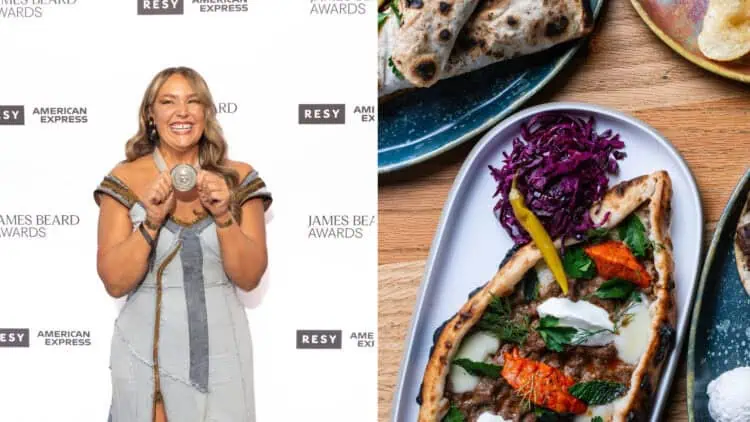
St. Louis received national recognition when Loryn Nalic of Balkan Treat Box won Best Chef: Midwest. Originating as a food truck, Balkan Treat Box, located in the suburb of Webster Groves, has built a devoted following by introducing diners to the rich flavors of the Balkans through wood-fired breads, grilled meats, and traditional recipes inspired by the Bosnian heritage of Nalic’s husband Edo and brother-in-law Emir—both co-owners with Nalic. Her victory reflects a broader transformation taking place across St. Louis. Long known for its barbecue, diner fare like The Slinger, and Italian-American influences, the city has become increasingly recognized for its broadening global food scene.
Denver, Colorado
One of Denver’s most talked-about restaurants is Yuan Wonton, where chef-owner Penelope Wong has built a devoted following for her inventive take on Chinese and Asian-inspired cuisine. Wong’s business also began as a food truck and has evolved into a popular brick-and-mortar restaurant, earning her national recognition, including a James Beard Award for Best Chef: Mountain. The menu includes handmade wontons and dumplings and creative seasonal specials that reflect Wong’s diverse culinary influences.
Small Cities, Big Talent
Some of the year’s winners come from smaller cities often overlooked by food travelers. The 2026 Outstanding Restaurateur award went to Dana Street, whose growing collection of beloved establishments has helped transform Portland, Maine, into one of America’s most influential small-city food destinations. Street’s portfolio includes Fore Street, Scales, Standard Baking Co., and several other acclaimed businesses that have become pillars of Portland’s dining culture.
Wild Crumb in Bozeman, Montana, won Outstanding Bakery, proving that world-class baking can thrive far from major metropolitan centers, while in Dover, New Hampshire, Evan Hennessey of Stages earned Best Chef: Northeast. These winners reflect a broader shift in American dining. Exceptional food is no longer concentrated in a handful of major cities. Culinary excellence can be found in communities of every size across the country.