
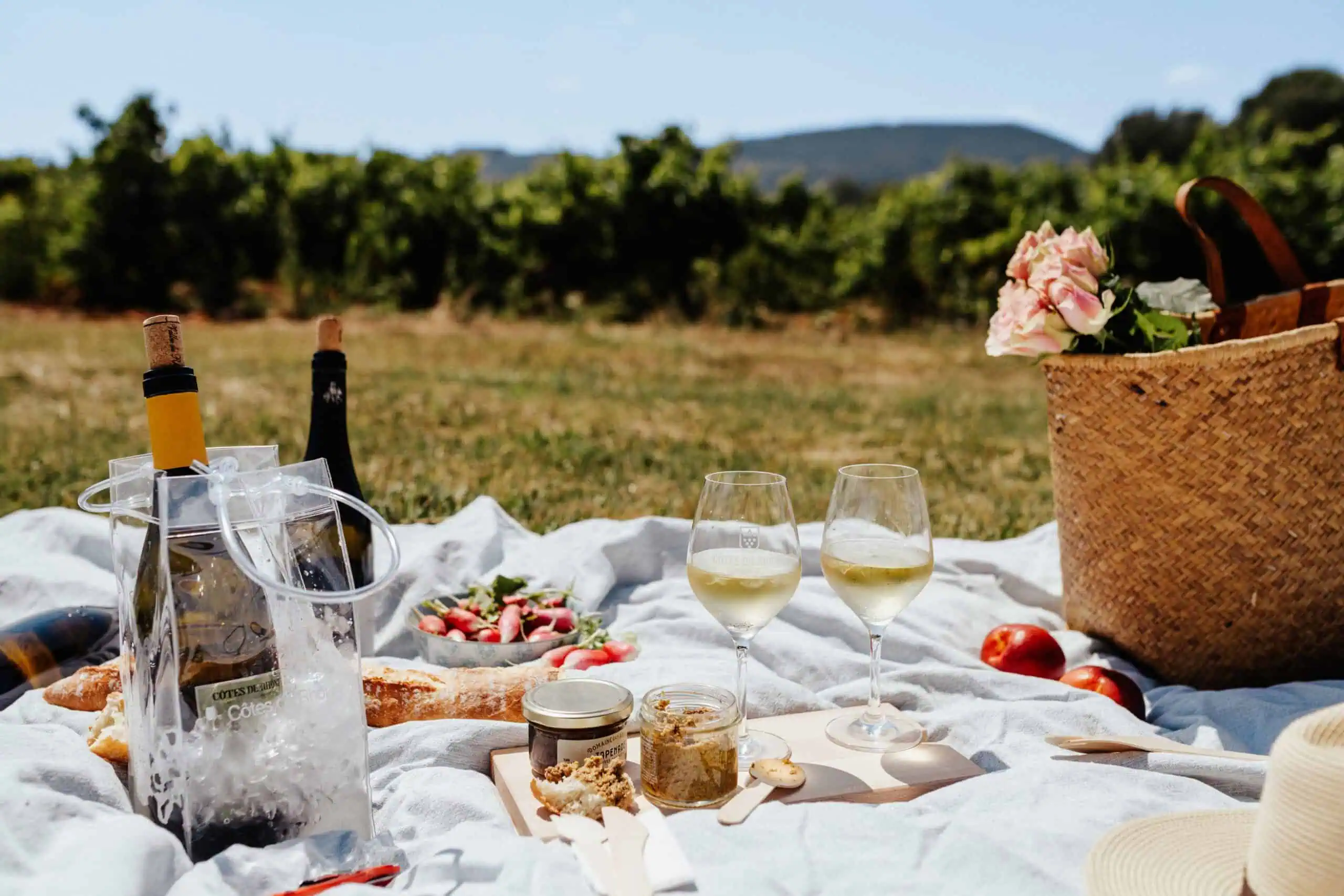
Mention the Southern Rhône Valley to most wine drinkers, and the conversation immediately turns to Châteauneuf-du-Pape and its famous galets roulés, Grenache-driven reds, and centuries of prestige. That reputation is well earned. But travelers who come to this corner of southern France chasing only the celebrated appellations miss the more interesting story of the region’s often overlooked labels. In the villages and back roads of the Gard, the Vaucluse, and the Ardèche, a generation of small, family-run estates is making wines of real character and ambition, using sustainable practices and with virtually no queue at the cellar door.
The Southern Rhône Valley has been producing wine for more than 2,000 years, a history stretching back to Greek traders who planted vines along the Mediterranean coast and deepened by centuries of Roman viticulture, papal influence during Avignon’s years as the seat of the Catholic Church, and generations of farming families. The region is defined largely by its Côtes du Rhône and Côtes du Rhône Villages wines and encompasses dozens of appellations, from the well-known crus of Gigondas and Vacqueyras to the less-heralded villages of Sablet, Séguret, and Signargues. Each appellation offers its own distinct combination of soils, elevation, and microclimate, resulting in wines with unique personalities.
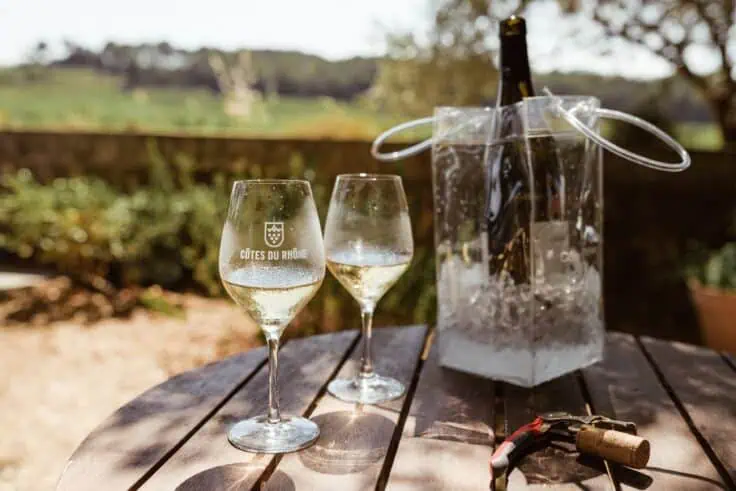
Start in the Gard, across the river from Avignon, where the cooperative Les Vignerons d’Estézargues has been producing some of the region’s most approachable natural wines for decades. Their commitment to organic farming, minimal intervention, and individual expression across member plots results in wines that are lively, site-specific, reasonably priced, and break the stereotypes about cooperative wine being low quality. Maintaining high standards begins in the vineyard, according to Anna Tyack, sales director for the cooperative. Each vintner produces a single-estate cuvée from carefully selected parcels, a practice that raises the overall quality of the harvest. “Because the wines are climate- and vintage-dependent and no additives are used during vinification, the grapes have to be in pristine condition to avoid deviation and faulty flavors in the finished wine,” she explains.
Just outside Gigondas in Séguret, Domaine de Mourchon offers a fresh perspective on Southern Rhône winemaking. Owned by a Scottish family, the estate produces wines from high-altitude vineyards where clay and gray limestone soils help preserve freshness despite the Provençal sun. Owner Kate McKinley points to the Domaine de Mourchon Côtes du Rhône-Villages Séguret Grande Réserve 2020 as one of the estate’s signature wines. Crafted from Grenache and Syrah grown on 60-year-old, low-yielding vines, it spent two years aging in a combination of neutral oak and traditional concrete tanks. “The wine has everything you would expect from a premium Southern Rhône red,” McKinley says, citing ripe fruit, garrigue, black tapenade, spice, and a firm tannic structure balanced by the freshness that comes from the estate’s higher-elevation vineyards. The wine earned a place on Wine Spectator‘s Top 100 Wines of 2023 and is currently poured at Michelin-starred L’Indienne in Chicago.
In the heart of the Vaucluse, the villages perchés of Sablet and Séguret are situated in a stretch of wine country that deserves far more attention than it typically receives. Domaine de Verquière in Sablet has farmed its vines organically for years, producing Grenache-dominant blends that challenge preconceptions about Southern Rhône reds being heavy or overworked. In nearby Ardèche, Mas de Libian offers a glimpse into one of France’s pioneering biodynamic wineries. Run by Hélène Thibon, who introduced biodynamic farming to the estate in 2004, the family-owned property has been in the Thibon family since 1670. Many of the estate’s clay-limestone vineyards are still plowed by hand with draft horses, reflecting its deep commitment to traditional, sustainable farming.
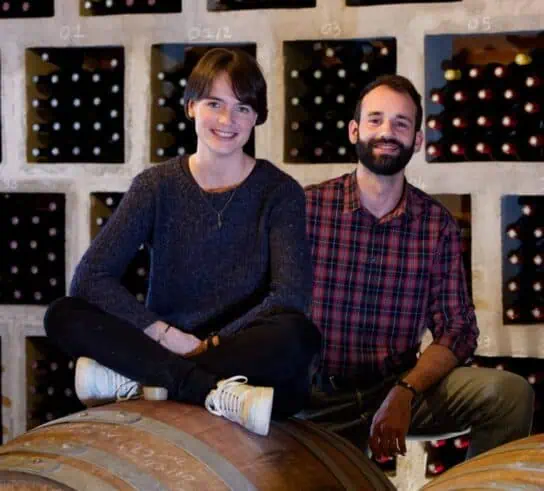
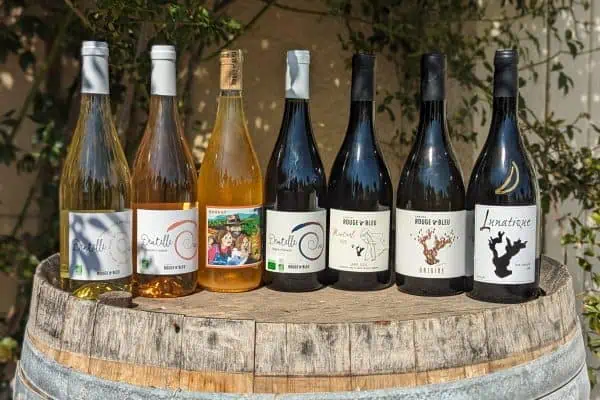
Vignobles Simian has been owned and operated by the Serguier family since the late 1800s. The estate even utilizes heritage vines dating back to 1880 in its top red wines. The property covers three renowned appellations—Châteauneuf-du-Pape, Massif d’Uchaux, and Côtes du Rhône—producing about 13 grape varieties to achieve optimal complexity and aromatic freshness. Domaine Rouge Bleu, located near Sainte-Cécile-les-Vignes, is known for cultivating low-yield old vines, including the rare Carignan grape. Its flagship Origine wine, made exclusively from 100% Carignan, highlights the depth and character that old vines can produce.
One of the region’s most fascinating wine experiences is the epicurean tour at Grotte Saint-Marcel d’Ardèche. After a guided journey through the vast underground caverns, guests are treated to a wine tasting in the cave, where the natural conditions create a chilled, atmospheric cellar. Local winemakers age select wines 80 meters below the surface using a process called “vinolithic” maturation. The subterranean environment is said to produce wines with greater freshness, minerality, and subtle sous-bois notes.
Aside from traditional tastings, travelers to the Southern Rhône Valley can take part in a range of experiences that offer a deeper look at the region’s vineyards, winemakers, and traditions. LePlan-Vermeersch in Suze La Rousse hosts seasonal music concerts, Monday winery tours, and electronic or rock micro-festivals, including the open-air LePlan Rocks festival and weekly LePlan Lundi. At Fontaine du Clos, a vineyard safari takes visitors from the vine nursery through every stage of the winemaking process. Domaine de Galuval in Cairanne invites guests to become winemakers for the day during an oenologist-led blending workshop where they create their ideal composition of Grenache, Syrah, and Mourvèdre wines.
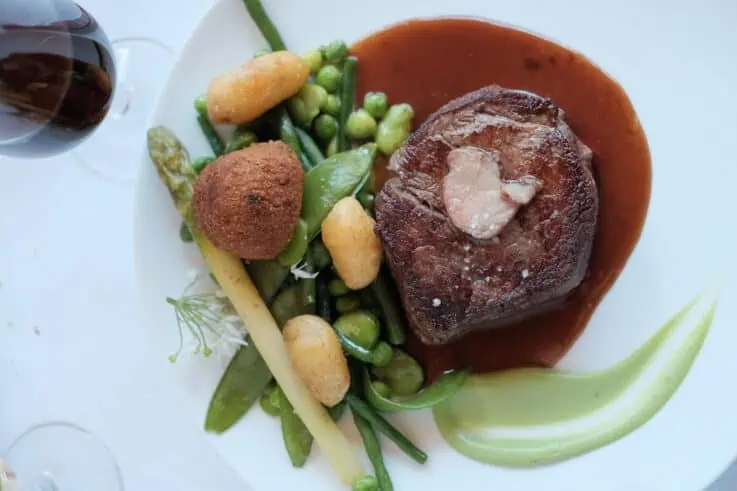
Food in the Southern Rhône Valley is every bit as impressive as its wines. Menus highlight local olive oils, fragrant herbs, truffles, artisan cheeses, and wines that are often produced just a few miles from the restaurant. In Avignon, La Mirande offers refined French cuisine in an elegant setting overlooking the Palais des Papes, while Restaurant Sevin pairs contemporary tasting menus with panoramic views from its rooftop terrace. Just outside the city, L’Oustalet in Gigondas has earned a Michelin star for dishes inspired by the surrounding vineyards and local farms, accompanied by an exceptional Rhône Valley wine list. In Châteauneuf-du-Pape, La Mère Germaine has welcomed diners for nearly a century, serving elevated takes on regional classics and one of the area’s most impressive selections of local wines. LeBistrot de Villedieu showcases seasonal Provençal cooking in the heart of its charming namesake wine village.
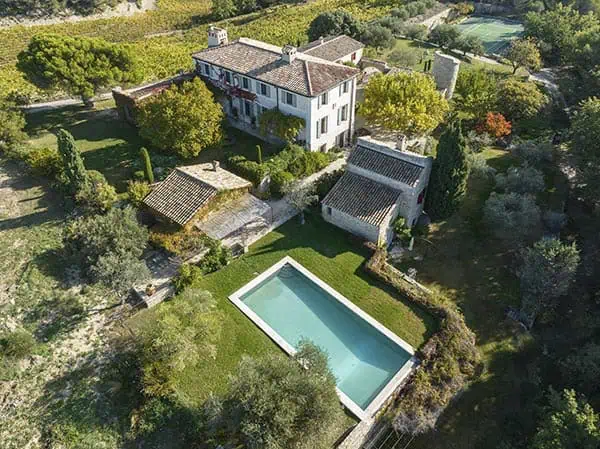
For a countryside escape, Hôtel Crillon le Brave occupies a collection of beautifully restored centuries-old stone buildings overlooking Mont Ventoux. Its 34 rooms and suites—many with private terraces—offer sweeping views of vineyards and olive groves, while amenities include a spa, heated outdoor pool, Provençal restaurant, and complimentary bicycles for exploring nearby villages and lavender fields. Several wineries also offer onsite accommodation, including Domaine de Mourchon. The winery’s luxury farmhouse retreat, Mas de Mourchon, is situated among 200 acres of vineyards, olive groves, and woodland, and contains an infinity pool with a pool house and sauna, a tennis court, and shady terraces for outdoor dining.