
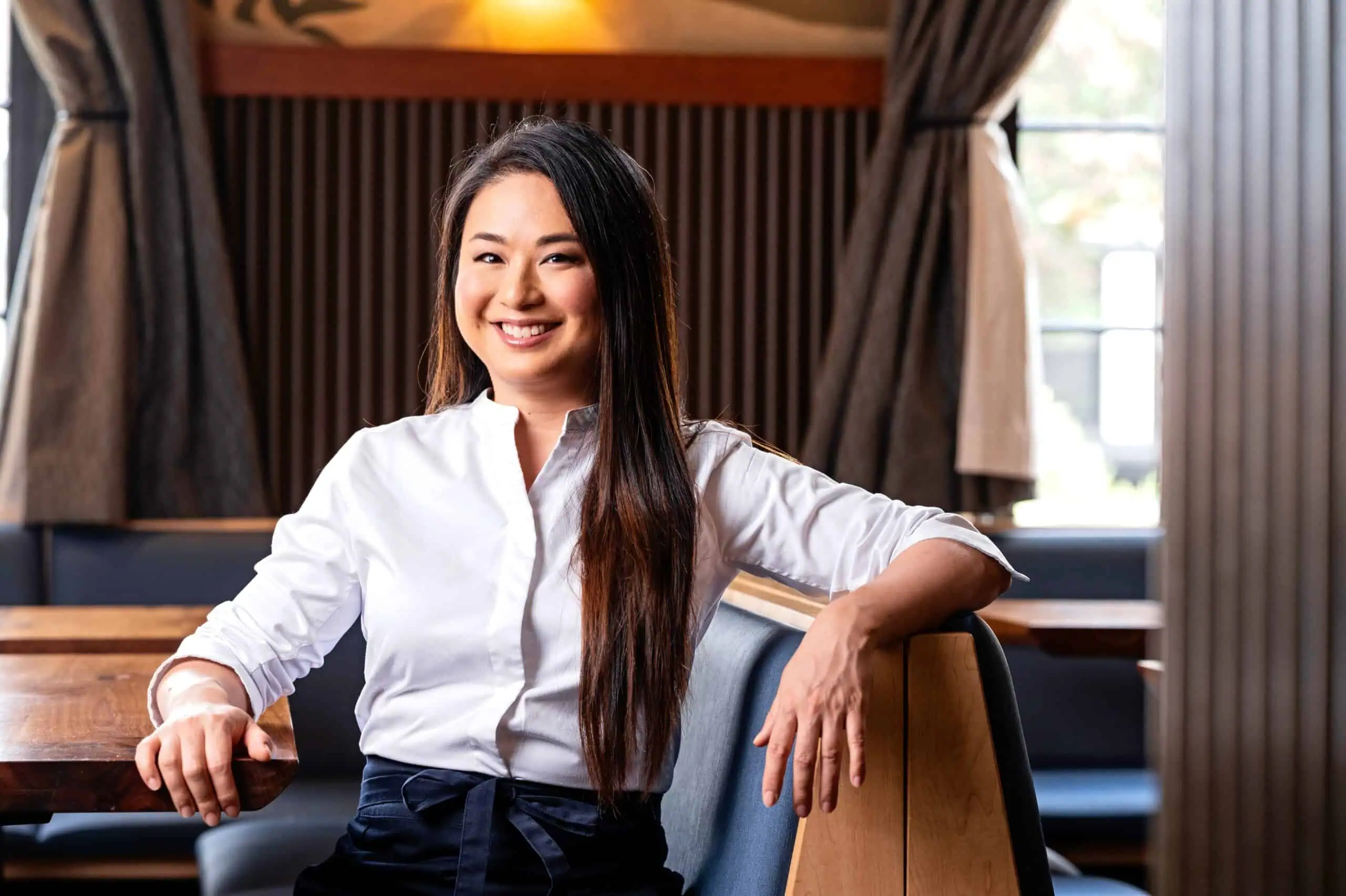
Growing up in Kobe, Japan, Chef Masako Morishita fondly recalls stepping into her grandmother’s kitchen and being enveloped by the smell of dashi. The savory aroma of fish stock, soy sauce, sake and mirin filled the air, and signaled that something warm and comforting was being prepared. Those early years shaped her understanding of food as an expression of love and heritage. Today, Morishita brings that familiar aroma to the kitchen at Perry’s, a Japanese fusion restaurant in Washington, D.C., where dashi is made fresh each day. She says, “Every time I smell dashi, it instantly takes me back to my grandmother’s home. It’s a calming scent that feels like a warm hug.”
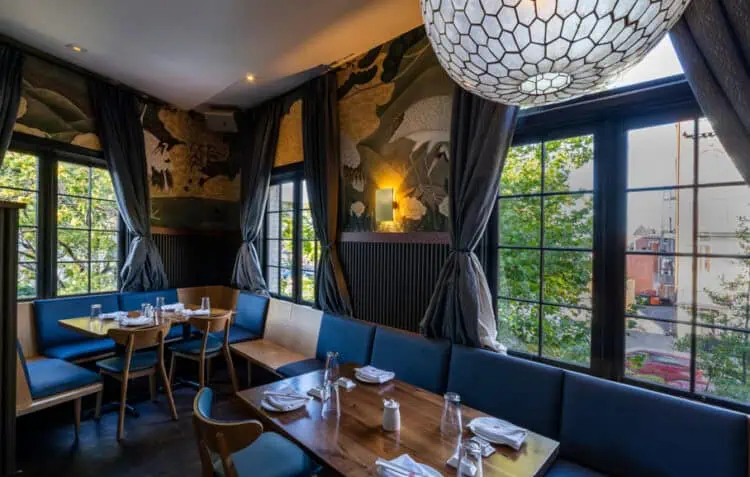
Morishita may have grown up in her family’s 100-year-old tachinomi, a small standing restaurant led my her mother Ryoko, in Kobe, but her path into the culinary world was far from traditional. After moving to the U.S. in 2013, she worked at the Washington bureau of Fuji TV while also spending five years as a cheerleader for the Washington Commanders, eventually becoming team captain.
During that time, her homemade Japanese curries at team potlucks quickly became a big hit. Many of her colleagues were only familiar with a narrow range of Japanese dishes like sushi, ramen and kaiseki. For her, the potlucks were a way to share a piece of her culture with her new community, and the enthusiastic response from teammates encouraged her to pursue a career as a chef. Though she had no formal training, Morishita began her professional culinary career in 2019 by launching a pop-up concept, Otabe, while still working a corporate job. She later stepped into her first full-time kitchen role at Maxwell Park before going on to become executive chef at Perry’s.
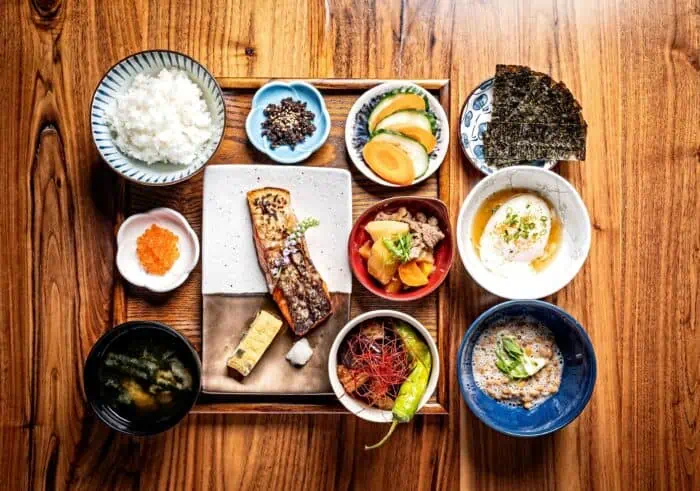
Morishita has made it her mission to introduce diners to a broader range of Japanese cuisine. The menu at Perry’s features items like a traditional Japanese breakfast, parmesan-dusted edamame dumplings and a shrimp katsu burger derived from her love of the shrimp burger at McDonald’s in Japan.
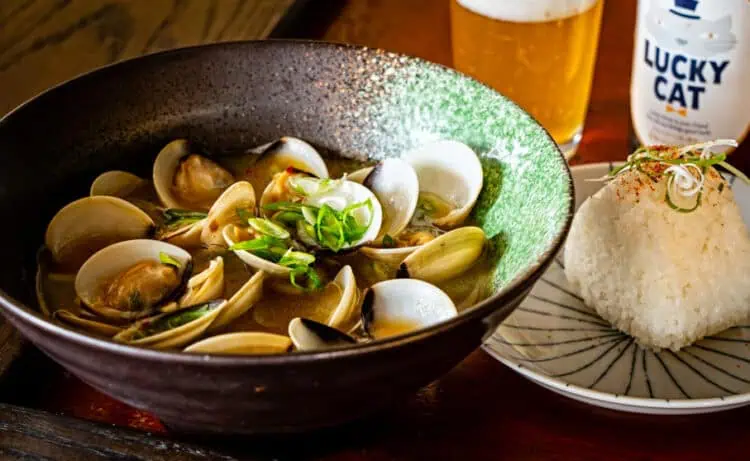
One dish she’s particularly proud of is her miso butter clams, inspired by her father’s practice of adding butter to his rice when eating miso soup. Though unconventional in Japan, the flavor combination was very personal and meaningful to her, and she reinterpreted her father’s creativity into a dish of clams in a miso-butter dashi broth, served with a rice ball on the side. Guests are encouraged to eat the clams first, then add the rice to the broth, turning it into a hearty soup.
At Perry’s, where more than 400 guests can be served on a busy night, Morishita has learned to balance creativity with the demands of a high-volume kitchen. She has embraced a leadership style built on teamwork and focused on developing depth through seasoning and sauces. This efficient yet expressive approach earned her the 2024 James Beard Award for Emerging Chef, one of the industry’s highest honors. Reflecting on the recognition, she says, “I hope it encourages younger chefs, especially women and immigrants, to believe that their stories and voices belong in this industry, and if you have a dream and you work hard for it, nothing is impossible.”
Recent collaborations for Morishita include the second Japanese Women in Hospitality Dinner at Perry’s, where she joined forces with Yuri Oberbillig of Saku Saku Flakerie, Jessica Joly Crane of Sake Discoveries, and Risa Sakanishi of Sushi Nakazawa to present a multi-course dining experience with optional sake and cocktail pairings. The event honored Japanese women and immigrant voices in the hospitality industry. Morishita also partnered with American Express and Resy in 2025 to host her own “Dream Team Dinner” at Perry’s with her mother, whom she cites as a major influence in her culinary journey.
Looking ahead, Morishita remains focused on doing the work she loves. She values the camaraderie in her kitchen and believes a positive environment creates better food. In the future, she plans to write a cookbook centered on Japanese comfort food for American home cooks, pairing recipes with personal stories and the origins behind each dish. She says, “I hope to share these dishes and stories with a wider audience, so more people can experience a different side of Japanese culture through food.”