
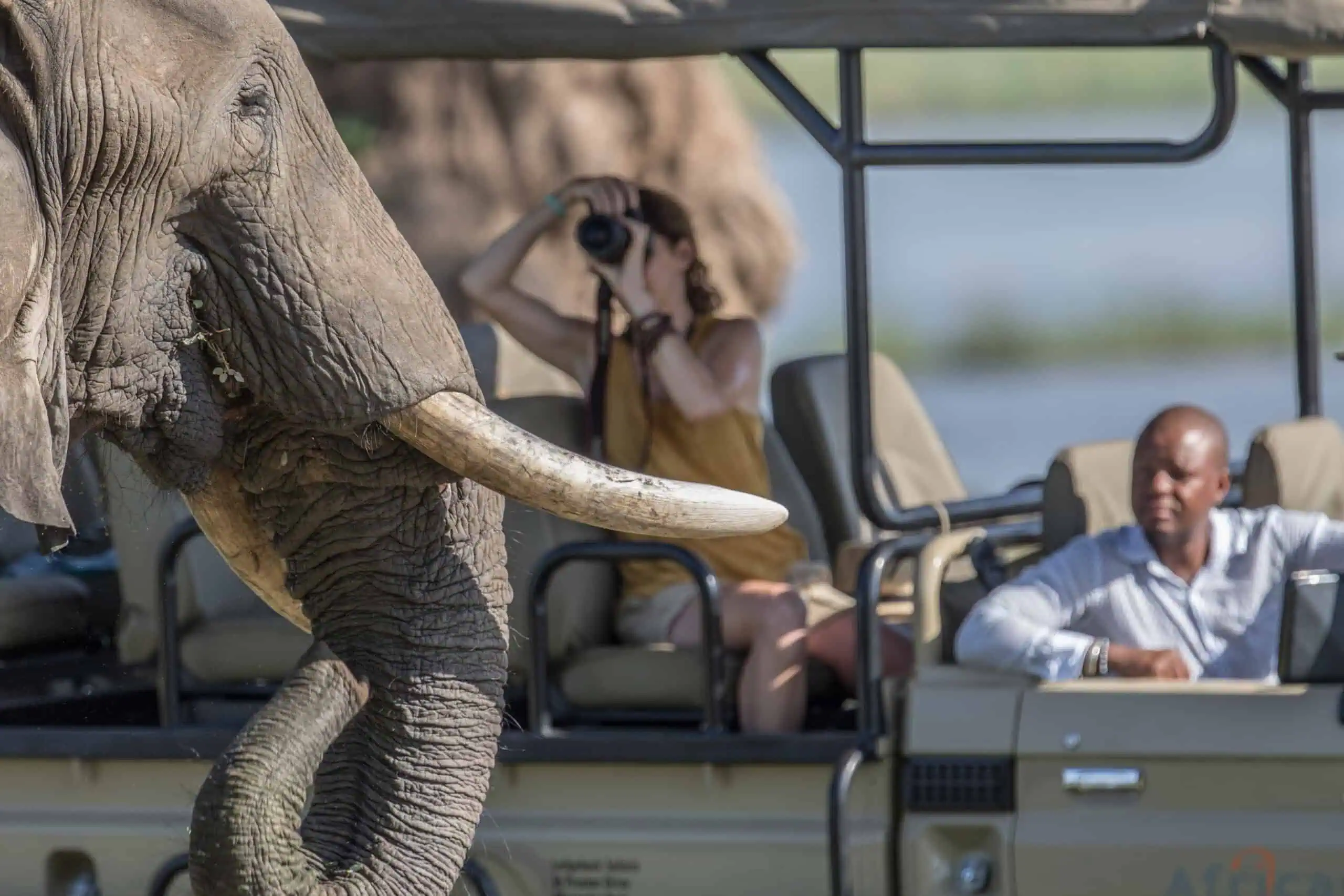
Twenty years ago, Beks Ndlovu set out with a simple but powerful dream to share Africa’s wild beauty with the world. In 2006, determined by his belief that Africa’s stories should be told by those who live and breathe it, Ndlovu founded African Bush Camps with the opening of Somalisa Camp in Hwange National Park. Today, that dream has grown into one of Southern Africa’s most respected safari brands, with luxury bush camps and lodges across Botswana, Zimbabwe and Zambia.
Ndlovu was born in the village of Lupane, on the edge of Hwange National Park, where the traditions of storytelling and a close connection to nature were central to his upbringing. In the late 1990s, he became a professional safari and river guide and spent years leading guests through Africa’s extraordinary landscapes. These experiences strengthened his expertise and inspired him to think beyond guiding toward building something of his own.
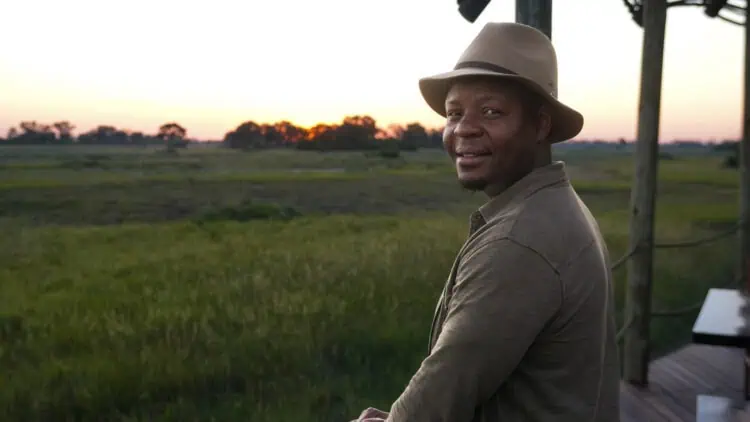
Despite the political and economic challenges facing Zimbabwe at the time, Ndlovu remained committed to his vision. Within months of opening Somalisa, he expanded into Botswana with Linyanti Bush Camp. This early growth laid the foundation for African Bush Camps’ safari circuit approach, which connects guests to multiple ecosystems through thoughtfully designed journeys.
Reflecting on his journey, Ndlovu says the vision has always extended far beyond hospitality. “From the very beginning, I wanted to create something that reflected our land and our people,” he says. “African Bush Camps is about sharing the beauty of this continent in a way that protects it, uplifts communities, and gives our guests a genuine connection to place.”
A Portfolio Across Three Countries
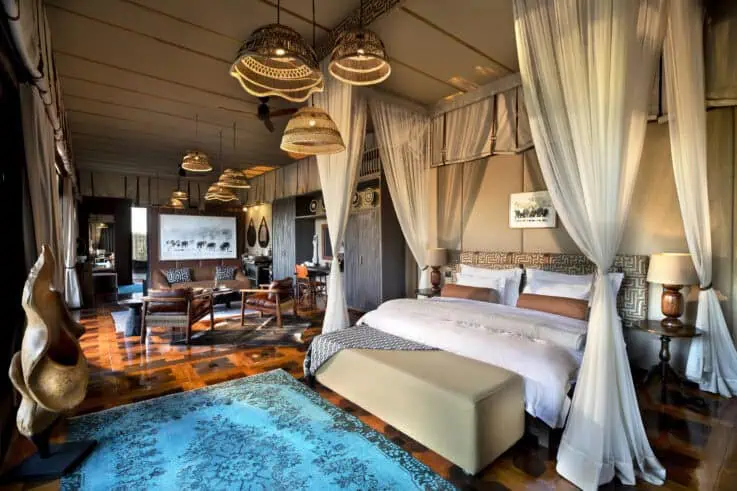
From its humble beginnings, African Bush Camps has grown into a portfolio of 17 safari experiences across Botswana, Zimbabwe and Zambia. The collection includes classic tented camps, riverside lodges and remote wilderness outposts, each offering authentic safari encounters in luxurious settings. Properties are located within some of Africa’s most iconic landscapes, including Hwange National Park, the Okavango Delta and Mana Pools. Guests can explore by vehicle, boat, canoe or on foot, with expert local guides. The company can also put together trips to Mozambique and South Africa through The Collective, a curated network of partner properties across Southern Africa, allowing guests to explore more of the region in one seamless journey.
What unites every African Bush Camps property is a commitment to sustainability. This philosophy is woven into every aspect of the business, from guest experiences in the bush to meaningful partnerships with local communities and long-term conservation initiatives.
Building an Ecosystem, Not Just a Menu
During the past two decades, African Bush Camps has also elevated safari dining into an art form. Gone are the days when bush food meant only simple grilled fare. Chefs today turn local African ingredients into creative, delicious dishes that bring the flavors of the bush to life.
Montrijah Daka, head chef at Thorntree River Lodge, has observed significant changes in how the company develops its menu offerings. He says, “We are increasingly prioritizing local produce and striving for a near-zero waste kitchen model. This approach has empowered us to enhance our efficiency, allowing us to dedicate more time to experimenting with new flavors and diverse meal options.”
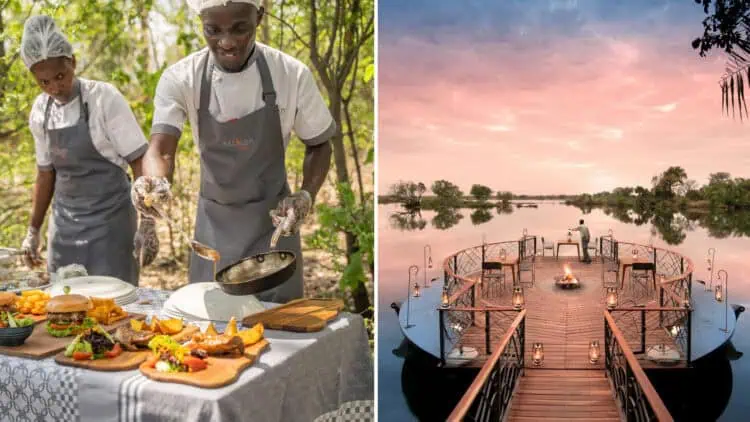
Across its properties, the surrounding landscapes shape what appears on each plate. Indigenous ingredients such as baobab, sorghum, marula, mopane worms, wild herbs, and freshwater bream are transformed and reinterpreted for modern safari travelers. A bush breakfast might feature freshly baked seed loaves made from regionally milled grains. Dinner menus have included items like smoked bream with baobab beurre blanc, sorghum risotto layered with wild mushrooms, or slow-braised game paired with pumpkin purée and indigenous greens.
Food is part of a broader ecosystem. Rather than relying heavily on imported goods, the company has built strong relationships with local farmers and small-scale producers. According to Chef Tendi Chikambi, head chef at Somalisa Camp, sustainability is at the core of the kitchen. He says, “We source primarily from local farmers to support the community and reduce our carbon footprint. All recyclable items are collected and transported to dedicated facilities where they are repurposed and reused.”
Fresh produce is sourced from nearby growers. Dairy and meats come from regional suppliers. Artisanal products, such as jams, baked goods, and dried fruits, often originate from community-based enterprises. This model keeps tourism revenue circulating locally and supports long-term resilience.
Giving Back to Local Communities
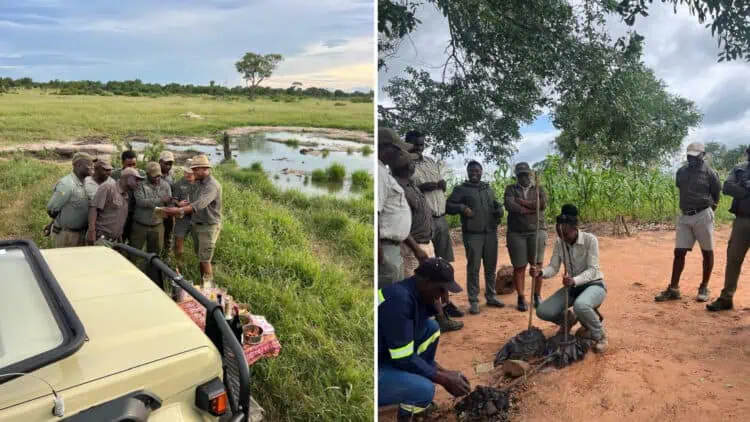
African Bush Camps promotes responsible tourism, prioritizing people, wildlife and place. From the beginning, Ndlovu believed that great safaris are shaped by great guides. African Bush Camps invests heavily in recruiting and training guides from local communities, ensuring guests benefit from deep cultural insight and ecological understanding. Initiatives such as the annual Guide Training Program and the empowerment of female guides demonstrate the company’s commitment to developing leadership and expertise from within the regions where it operates.
Since 2016, the company has started every year with ten days of intensive guide training in Zimbabwe and Botswana. During this time, all experiences are closed to guests so every guide can participate. Guides are placed in small groups led by senior professionals and complete practical and theoretical modules, an advanced first-aid refresher, and an advanced shooting course to ensure guest safety. “Though demanding, the program is energizing and rewarding,” says Ndlovu. “It has strengthened our guides’ knowledge, confidence, and professionalism, reinforcing our promise that guests will be guided by the best.”
A portion of every stay supports the African Bush Camps Foundation, the company’s philanthropic arm established in 2006. The Foundation works across Botswana, Zambia and Zimbabwe to support education, healthcare, conservation and sustainable livelihoods. Projects range from school infrastructure improvements and healthcare support to wildlife coexistence programs and anti-poaching efforts. Guests are encouraged to engage with these initiatives during their stay.
Amenities and the Guest Experience
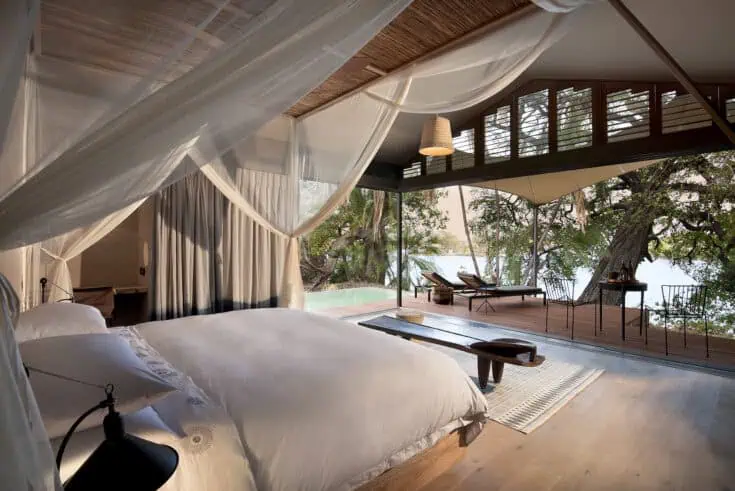
African Bush Camps’ properties balance luxury with immersion in the wild. Amenities typically include luxury tented suites with private decks, and guests enjoy a wide range of activities, including game drives, walking safaris, river excursions and canoeing. Cultural visits to nearby communities and schools are often integrated into itineraries, offering guests a deeper understanding of life beyond the wildlife experience.
Many properties are family-friendly, with tailored programs designed to engage younger travelers in conservation and nature. Sustainability features such as solar power and water recycling are standard across the portfolio.
Looking Ahead: The Next Chapter
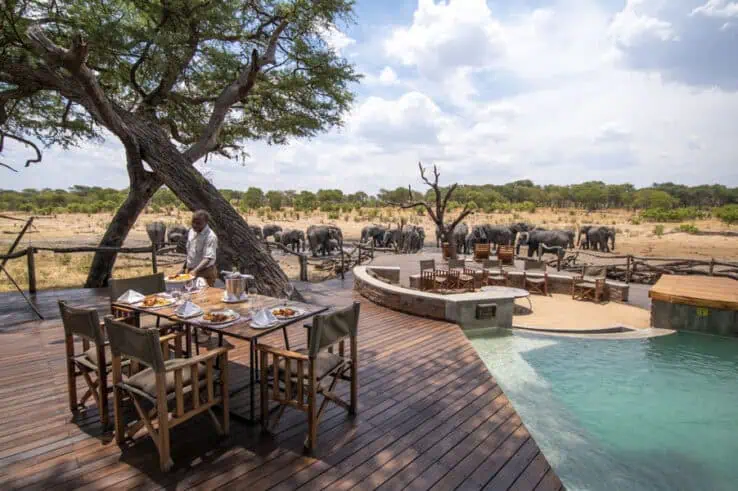
As African Bush Camps celebrates its 20-year milestone, the company is also focused on the future. Somalisa Camp remains the spiritual home of African Bush Camps, as the place where the journey began 20 years ago. In late 2026, the company plans to construct an Icon Experience, its highest level of luxury, at Linyanti Legodimo.
Additionally, one of the company’s existing Icon properties, Thorntree River Lodge, is set to evolve into a wellness-focused retreat. Located within Mosi-Oa-Tunya National Park along the Zambezi River near Victoria Falls, the intimate 10-room lodge is expanding to offer spa treatments, yoga and mindfulness sessions, and dedicated wellness spaces that blend naturally with the surrounding landscape. For Ndlovu, this signals an exciting new chapter. He says, “From our spiritual home at Somalisa, we are shaping the next chapter of African Bush Camps, stepping into a future where luxury, wellness and conservation go hand in hand.”